Fairphone 5 vs. Google Pixel 9 vs. Google Pixel 9 Pro
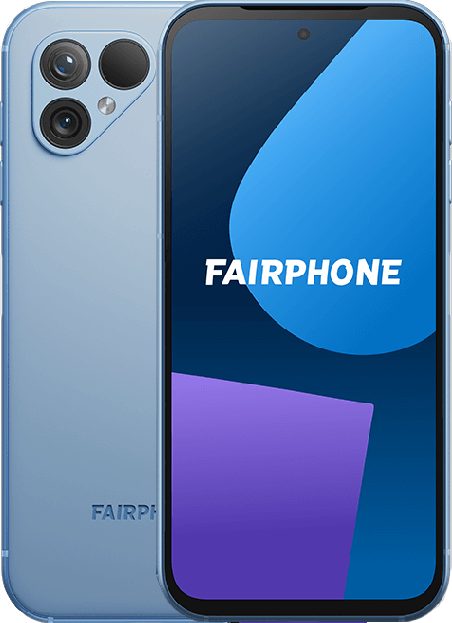
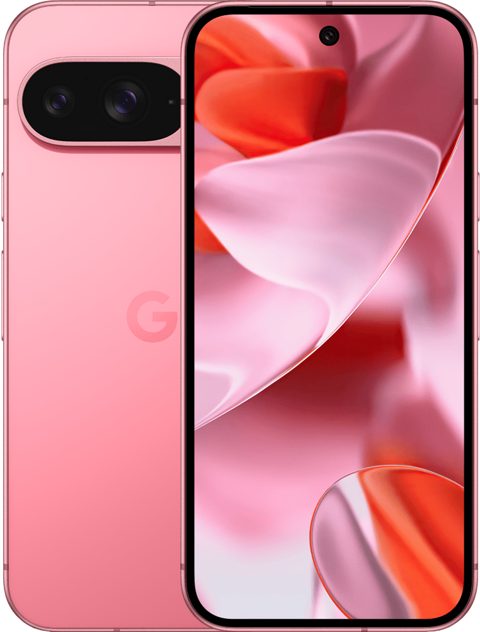
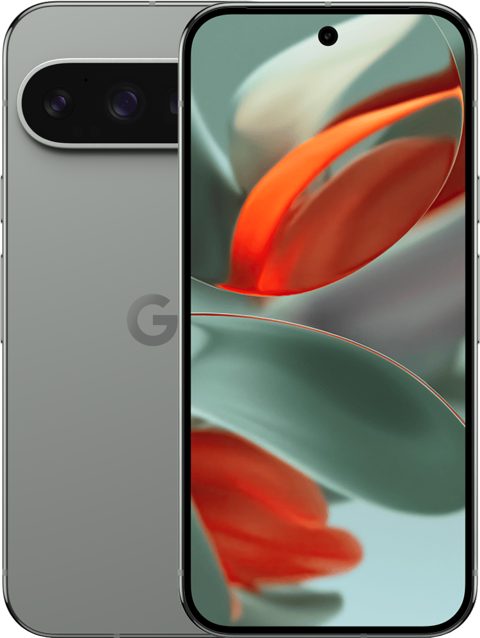
Fazit
Google Pixel 9 Pro ist für die meisten etwas besser
Gesamtwertung
- Fairphone 5 47
- Google Pixel 9 74
- Google Pixel 9 Pro 80
Warum Fairphone 5
Hier kein klarer Vorteil
Warum Google Pixel 9
Hier kein klarer Vorteil
Warum Google Pixel 9 Pro
- Zoomkamera mit 5× optisch
- LTPO OLED-Display (statt OLED)
- Videoaufnahme in 8K 30fps (statt 4K 60fps)
- Schnelleres kabelloses Laden: 21 W vs. 15 W
Google Pixel 9 Pro ist zum Spielen etwas besser
Gesamtwertung
- Fairphone 5 44
- Google Pixel 9 72
- Google Pixel 9 Pro 76
Warum Fairphone 5
Hier kein klarer Vorteil
Warum Google Pixel 9
Hier kein klarer Vorteil
Warum Google Pixel 9 Pro
- LTPO OLED-Display (statt OLED)
- Schnelleres kabelloses Laden: 21 W vs. 15 W
- Ultrabreitband (UWB) zum präzisen Orten
Google Pixel 9 Pro ist für Fotos und Videos klar besser
Gesamtwertung
- Fairphone 5 53
- Google Pixel 9 78
- Google Pixel 9 Pro 89
Warum Fairphone 5
Hier kein klarer Vorteil
Warum Google Pixel 9
Hier kein klarer Vorteil
Warum Google Pixel 9 Pro
- Zoomkamera mit 5× optisch
- Videoaufnahme in 8K 30fps (statt 4K 60fps)
- LTPO OLED-Display (statt OLED)
- Schnelleres kabelloses Laden: 21 W vs. 15 W
Google Pixel 9 Pro ist bei der Akkulaufzeit etwas besser
Gesamtwertung
- Fairphone 5 28
- Google Pixel 9 56
- Google Pixel 9 Pro 61
Warum Fairphone 5
Hier kein klarer Vorteil
Warum Google Pixel 9
Hier kein klarer Vorteil
Warum Google Pixel 9 Pro
- Zoomkamera mit 5× optisch
- Schnelleres kabelloses Laden: 21 W vs. 15 W
- LTPO OLED-Display (statt OLED)
- Videoaufnahme in 8K 30fps (statt 4K 60fps)
Google Pixel 9 Pro ist fürs Geld klar besser
Gesamtwertung
- Fairphone 5 —
- Google Pixel 9 78
- Google Pixel 9 Pro 89
Warum Fairphone 5
Hier kein klarer Vorteil
Warum Google Pixel 9
Hier kein klarer Vorteil
Warum Google Pixel 9 Pro
- Zoomkamera mit 5× optisch
- LTPO OLED-Display (statt OLED)
- Videoaufnahme in 8K 30fps (statt 4K 60fps)
- Schnelleres kabelloses Laden: 21 W vs. 15 W
Bewertung nach Kategorie
- Fairphone 5
- Google Pixel 9
- Google Pixel 9 Pro
Leistung
- Fairphone 5 54
- Google Pixel 9 77
- Google Pixel 9 Pro 77
Im Labor getestet
Display
- Fairphone 5 50
- Google Pixel 9 86
- Google Pixel 9 Pro 97
Im Labor getestet
Kamera
- Fairphone 5 62
- Google Pixel 9 82
- Google Pixel 9 Pro 99
Akku
- Fairphone 5 4
- Google Pixel 9 33
- Google Pixel 9 Pro 37
Im Labor getestet
Verarbeitung und Robustheit
- Fairphone 5 51
- Google Pixel 9 92
- Google Pixel 9 Pro 87
Konnektivität und Ausstattung
- Fairphone 5 79
- Google Pixel 9 93
- Google Pixel 9 Pro 98
Größte Unterschiede
Alle technischen Daten ansehenGröße und Gewicht
- Fairphone 5
- Google Pixel 9
- Google Pixel 9 Pro
Alle technischen Daten
Allgemeines
Design
Rahmen: Aluminium
Vorderseite: Gorilla-Glas 5
Rahmen: Aluminium
Vorderseite: Gorilla Victus 2-Glas
Rahmen: Aluminium
Vorderseite: Gorilla Victus 2-Glas
Wasserresistenz
Display
Multitouch-Display
HDR10+
Multitouch-Display
HDR10+
Multitouch-Display
Hardware
3x 2.6 GHz – Cortex-A720
4x 1.92 GHz – Cortex-A520
3x 2.6 GHz – Cortex-A720
4x 1.92 GHz – Cortex-A520
256GB 8GB RAM
256GB 12GB RAM
256GB 16GB RAM
512GB 16GB RAM
1TB 16GB RAM
Benchmarks
Software
Hauptkamera
Optische Bildstabilisierung (OIS)
Optische Bildstabilisierung (OIS)
Optische Bildstabilisierung (OIS)
Panorama
Panorama
Pixel Shift
Sensor Single-zone LDAF (Laser-Autofokus)
Sensor Multi-zone LDAF (Laser-Autofokus)
Panorama
Pixel Shift
Ultra HDR
Zoom verbessert
1080p @ 30/60/120 fps
720p @ 240 fps
1080p @ 24/30/60/120/240 fps
2160p @ 24/30/60 fps
1080p @ 24/30/60/120/240 fps
Frontkamera
Panorama
Panorama
1080p @ 30 fps
1080p @ 30/60 fps
1080p @ 30/60 fps
Akku
Umgekehrtes kabelloses Laden
Kabelgebundenes Laden von 0–55 % in 30 Minuten (laut Herstellerangabe)
Umgekehrtes kabelloses Laden
Kabelgebundenes Laden von 0–55 % in 30 Minuten (laut Herstellerangabe)
Netzwerk
Konnektivität
USB On-The-Go
DisplayPort
Multimedia
Funktionen
Kompass
Gyroskop
Näherungssensor
Barometer
Kompass
Gyroskop
Näherungssensor
Ultraschall-Fingerabdrucksensor unter dem Display
Barometer
Kompass
Gyroskop
Optischer Fingerabdrucksensor unter dem Display
Näherungssensor
Thermometer (Hauttemperatur)
Notruf-SOS über Satellit
Programmierbare Stromversorgung (PPS)
USB Power Delivery 3.0
Notruf-SOS über Satellit
Programmierbare Stromversorgung (PPS)
Unterstützung für Ultra Wideband (UWB)
USB Power Delivery 3.0
Labortests
EU-Energielabel
Strahlung (SAR)
Diese Handys stimmen in allen hier aufgeführten Daten überein.
Mit anderen Handys vergleichen
 Fairphone 5 vs. Apple iPhone 15 Plus
- Google Pixel 9 vs. Apple iPhone 15 Plus
- Google Pixel 9 Pro vs. Apple iPhone 15 Plus
 Fairphone 5 vs. Google Pixel 9 Pro XL
- Google Pixel 9 vs. Google Pixel 9 Pro XL
- Google Pixel 9 Pro vs. Google Pixel 9 Pro XL
 Fairphone 5 vs. Xiaomi 13T Pro
- Google Pixel 9 vs. Xiaomi 13T Pro
So entstehen die Bewertungen
Jede Kategoriewertung zeigt, wo ein Handy unter den Modellen der letzten zwei Jahre steht: 80 heißt, es schlägt 80 % davon. Mit neuen Handys verschieben sich die Werte.
Benchmarks, Akku und Helligkeit stammen aus Labortests, wenn das Handy getestet wurde. Sonst nutzen die Wertungen typische Ergebnisse des Chipsatzes oder eine Schätzung aus den Daten und weisen darauf hin.
Die Kamerawertung bewertet die Hardware (Sensorgröße, Lichtstärke, Stabilisierung, Zoom und Video), nicht die Fotos selbst.
Kleine Unterschiede, die niemand merkt, etwa 120 Hz gegen 144 Hz, zählen nie als Vorteil. Größe und Gewicht werden gezeigt, aber nie bewertet, denn größer ist Geschmackssache.
Die Preis-Leistungs-Wertung vergleicht die Gesamtwertung eines Smartphones mit dem, was Geräte zum gleichen Preis üblicherweise erreichen. Geräte, die vor mehr als drei Jahren erschienen sind, erhalten keine Wertung, weil ihre angegebenen Preise meist Gebraucht- oder Abverkaufspreise sind.