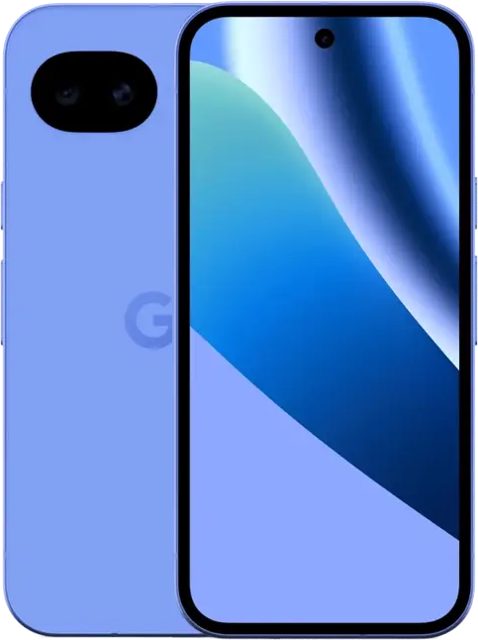
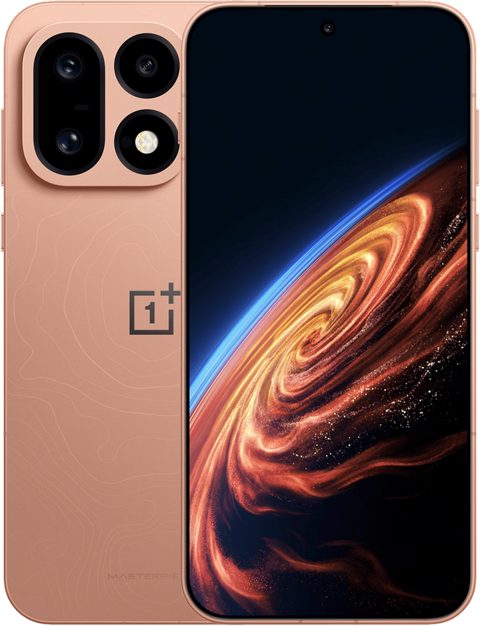
Google Pixel 11 Pro vs. Google Pixel 11a vs. OnePlus 16

Fazit
OnePlus 16 ist für die meisten etwas besser
Gesamtwertung
- Google Pixel 11 Pro 85
- Google Pixel 11a 68
- OnePlus 16 90
Warum Google Pixel 11 Pro
- 5× optischer Zoom (statt 3×)
- Ultrabreitband (UWB) zum präzisen Orten
Warum Google Pixel 11a
Hier kein klarer Vorteil
Warum OnePlus 16
- 8 Std. 1 Min. längere Akkulaufzeit Geschätzt
- Insgesamt 2.2× schneller Typisch für den Chipsatz
- Schnelleres Laden: 100 W vs. 30 W
- Schnelleres kabelloses Laden: 50 W vs. 25 W
OnePlus 16 ist zum Spielen klar besser
Gesamtwertung
- Google Pixel 11 Pro 82
- Google Pixel 11a 70
- OnePlus 16 95
Warum Google Pixel 11 Pro
- Ultrabreitband (UWB) zum präzisen Orten
Warum Google Pixel 11a
Hier kein klarer Vorteil
Warum OnePlus 16
- Insgesamt 2.2× schneller Typisch für den Chipsatz
- 8 Std. 1 Min. längere Akkulaufzeit Geschätzt
- Schnelleres Laden: 100 W vs. 30 W
- 2.4× schnellere Grafik für Spiele Typisch für den Chipsatz
Google Pixel 11 Pro ist für Fotos und Videos klar besser
Gesamtwertung
- Google Pixel 11 Pro 92
- Google Pixel 11a 69
- OnePlus 16 85
Warum Google Pixel 11 Pro
- 5× optischer Zoom (statt 3×)
Warum Google Pixel 11a
Hier kein klarer Vorteil
Warum OnePlus 16
- 8 Std. 1 Min. längere Akkulaufzeit Geschätzt
- Insgesamt 2.2× schneller Typisch für den Chipsatz
- Schnelleres Laden: 100 W vs. 30 W
- 2.4× schnellere Grafik für Spiele Typisch für den Chipsatz
OnePlus 16 ist bei der Akkulaufzeit deutlich besser
Gesamtwertung
- Google Pixel 11 Pro 74
- Google Pixel 11a 53
- OnePlus 16 93
Warum Google Pixel 11 Pro
- 5× optischer Zoom (statt 3×)
- Ultrabreitband (UWB) zum präzisen Orten
Warum Google Pixel 11a
Hier kein klarer Vorteil
Warum OnePlus 16
- 8 Std. 1 Min. längere Akkulaufzeit Geschätzt
- Schnelleres Laden: 100 W vs. 30 W
- Schnelleres kabelloses Laden: 50 W vs. 25 W
- Insgesamt 2.2× schneller Typisch für den Chipsatz
OnePlus 16 ist fürs Geld deutlich besser
Gesamtwertung
- Google Pixel 11 Pro 50
- Google Pixel 11a —
- OnePlus 16 75
Warum Google Pixel 11 Pro
- 5× optischer Zoom (statt 3×)
- Ultrabreitband (UWB) zum präzisen Orten
Warum Google Pixel 11a
Hier kein klarer Vorteil
Warum OnePlus 16
- 8 Std. 1 Min. längere Akkulaufzeit Geschätzt
- Insgesamt 2.2× schneller Typisch für den Chipsatz
- Schnelleres Laden: 100 W vs. 30 W
- Schnelleres kabelloses Laden: 50 W vs. 25 W
Bewertung nach Kategorie
- Google Pixel 11 Pro
- Google Pixel 11a
- OnePlus 16
Leistung
- Google Pixel 11 Pro 81
- Google Pixel 11a 79
- OnePlus 16 98
Google Pixel 11 Pro: Im Labor getestetGoogle Pixel 11a: Typisch für den ChipsatzOnePlus 16: Typisch für den ChipsatzDisplay
- Google Pixel 11 Pro 97
- Google Pixel 11a 75
- OnePlus 16 91
Google Pixel 11 Pro: Im Labor getestetKamera
- Google Pixel 11 Pro 99
- Google Pixel 11a 69
- OnePlus 16 81
Akku
- Google Pixel 11 Pro 59
- Google Pixel 11a 33
- OnePlus 16 99
Google Pixel 11 Pro: Im Labor getestetGoogle Pixel 11a: GeschätztOnePlus 16: GeschätztVerarbeitung und Robustheit
- Google Pixel 11 Pro 87
- Google Pixel 11a 93
- OnePlus 16 67
Konnektivität und Ausstattung
- Google Pixel 11 Pro 98
- Google Pixel 11a 79
- OnePlus 16 94
Größte Unterschiede
Alle technischen Daten ansehenGröße und Gewicht
- Google Pixel 11 Pro
- OnePlus 16
Alle technischen Daten
Allgemeines
Design
Rahmen: Aluminium
Vorderseite: Gorilla Victus 2-Glas
Rahmen: Aluminium
Vorderseite: Gorilla Victus-Glas
Rahmen: Aluminium
Vorne: Crystal Shield Glass
Display
HDR10+
Multitouch-Display
HDR
Multitouch-Display
3840Hz PWM Dimming
Kapazitiver Touchscreen
Dolby Vision
HDR10+
HDR Vivid
Multitouch-Display
Ultra-HDR-Bildunterstützung
Hardware
4x 3.38 GHz – ARM C1-Pro
2x 2.65 GHz – ARM C1-Pro
4x 3.38 GHz – ARM C1-Pro
2x 2.65 GHz – ARM C1-Pro
3x 4.03 GHz –
3x 3.74 GHz –
512GB 16GB RAM
1TB 16GB RAM
256GB 8GB RAM
512GB 12GB RAM
512GB 16GB RAM
1TB 16GB RAM
Benchmarks
Software
Hauptkamera
Optische Bildstabilisierung (OIS)
Optische Bildstabilisierung (OIS)
Optische Bildstabilisierung (OIS)
Multi-Zonen-Laser-Autofokus (AF)
Panorama
Pixel Shift
Ultra HDR
Zoom verbessert
Panorama
Pixel Shift
Ultra HDR
Hoher Dynamikbereich (HDR)
Laser-Autofokus
LUT preview
Panorama
2160p @ 24/30/60 fps
1080p @ 24/30/60/120/240 fps
1080p @ 30/60/120/240 fps
2160p @ 30/60/120 fps
1080p @ 30/60/120/240 fps
Frontkamera
Panorama
Panorama
1080p @ 30/60 fps
1080p @ 30 fps
1080p @ 30/60 fps
Akku
Kabelloses Laden Qi2.2
Qi2 kabelloses Laden
Umgekehrtes kabelgebundenes Laden
Kabelgebundenes Laden von 0–55 % in 30 Minuten (laut Herstellerangabe)
Kabelloses magnetisches Laden
Kabelgebundenes Laden von 0–50 % in 30 Minuten (laut Herstellerangabe)
Umgekehrtes kabelgebundenes Laden
Umgekehrtes kabelloses Laden
Netzwerk
Dual-SIM (eSIM + eSIM)
Dual-SIM (Nano-SIM + Nano-SIM)
Konnektivität
USB On-The-Go
Multimedia
Funktionen
Barometer
Kompass
Gyroskop
Näherungssensor
Ultraschall-Fingerabdrucksensor unter dem Display
Barometer
Kompass
Gyroskop
Optischer Fingerabdrucksensor unter dem Display
Näherungssensor
Barometer (außer China)
Kompass
Gyroscope (UAV-grade)
Näherungssensor
Ultraschall-Fingerabdrucksensor unter dem Display
Unterstützung für SOS per Satellit
Unterstützung für Ultra Wideband (UWB)
USB Power Delivery 3.0
USB Power Delivery 3.0
Quick Charge
Universelle Schnellladespezifikation (UFCS)
USB Power Delivery
Labortests
EU-Energielabel
Diese Handys stimmen in allen hier aufgeführten Daten überein.
Mit anderen Handys vergleichen
 Google Pixel 11 Pro vs. Google Pixel 11 Pro XL
- Google Pixel 11a vs. Google Pixel 11 Pro XL
- OnePlus 16 vs. Google Pixel 11 Pro XL
 Google Pixel 11 Pro vs. Google Pixel 11
- Google Pixel 11a vs. Google Pixel 11
- OnePlus 16 vs. Google Pixel 11
 Google Pixel 11 Pro vs. Vivo iQOO 16
- Google Pixel 11a vs. Vivo iQOO 16
So entstehen die Bewertungen
Jede Kategoriewertung zeigt, wo ein Handy unter den Modellen der letzten zwei Jahre steht: 80 heißt, es schlägt 80 % davon. Mit neuen Handys verschieben sich die Werte.
Benchmarks, Akku und Helligkeit stammen aus Labortests, wenn das Handy getestet wurde. Sonst nutzen die Wertungen typische Ergebnisse des Chipsatzes oder eine Schätzung aus den Daten und weisen darauf hin.
Die Kamerawertung bewertet die Hardware (Sensorgröße, Lichtstärke, Stabilisierung, Zoom und Video), nicht die Fotos selbst.
Kleine Unterschiede, die niemand merkt, etwa 120 Hz gegen 144 Hz, zählen nie als Vorteil. Größe und Gewicht werden gezeigt, aber nie bewertet, denn größer ist Geschmackssache.
Die Preis-Leistungs-Wertung vergleicht die Gesamtwertung eines Smartphones mit dem, was Geräte zum gleichen Preis üblicherweise erreichen. Geräte, die vor mehr als drei Jahren erschienen sind, erhalten keine Wertung, weil ihre angegebenen Preise meist Gebraucht- oder Abverkaufspreise sind.