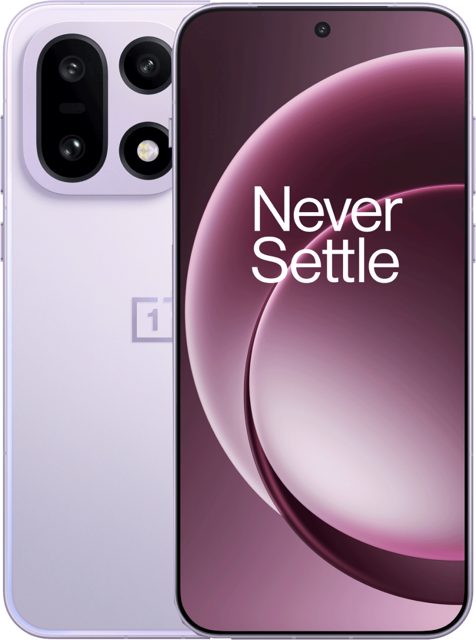
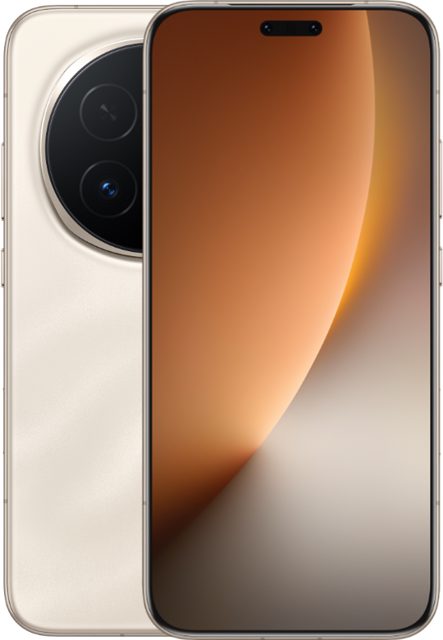
Google Pixel 11 Pro vs. OnePlus 15 vs. Honor Magic8 Pro

Fazit
OnePlus 15 und Honor Magic8 Pro liegen für die meisten gleichauf
Gesamtwertung
- Google Pixel 11 Pro 86
- OnePlus 15 95
- Honor Magic8 Pro 94
Warum Google Pixel 11 Pro
- 5× optischer Zoom (statt 3.7×)
- 27 % helleres Display (2333 Nits vs. 1837 Nits)
- Ultrabreitband (UWB) zum präzisen Orten
Warum OnePlus 15
Hier kein klarer Vorteil
Warum Honor Magic8 Pro
Hier kein klarer Vorteil
OnePlus 15 und Honor Magic8 Pro liegen zum Spielen gleichauf
Gesamtwertung
- Google Pixel 11 Pro 82
- OnePlus 15 96
- Honor Magic8 Pro 96
Warum Google Pixel 11 Pro
- 27 % helleres Display (2333 Nits vs. 1837 Nits)
- Ultrabreitband (UWB) zum präzisen Orten
Warum OnePlus 15
Hier kein klarer Vorteil
Warum Honor Magic8 Pro
Hier kein klarer Vorteil
Honor Magic8 Pro und OnePlus 15 liegen für Fotos und Videos gleichauf
Gesamtwertung
- Google Pixel 11 Pro 92
- OnePlus 15 93
- Honor Magic8 Pro 95
Warum Google Pixel 11 Pro
- 5× optischer Zoom (statt 3.7×)
- 27 % helleres Display (2333 Nits vs. 1837 Nits)
Warum OnePlus 15
Hier kein klarer Vorteil
Warum Honor Magic8 Pro
Hier kein klarer Vorteil
OnePlus 15 und Honor Magic8 Pro liegen bei der Akkulaufzeit gleichauf
Gesamtwertung
- Google Pixel 11 Pro 74
- OnePlus 15 96
- Honor Magic8 Pro 94
Warum Google Pixel 11 Pro
- 5× optischer Zoom (statt 3.7×)
- 27 % helleres Display (2333 Nits vs. 1837 Nits)
- Ultrabreitband (UWB) zum präzisen Orten
Warum OnePlus 15
Hier kein klarer Vorteil
Warum Honor Magic8 Pro
Hier kein klarer Vorteil
OnePlus 15 und Honor Magic8 Pro liegen fürs Geld gleichauf
Gesamtwertung
- Google Pixel 11 Pro 54
- OnePlus 15 78
- Honor Magic8 Pro 78
Warum Google Pixel 11 Pro
- 5× optischer Zoom (statt 3.7×)
- 27 % helleres Display (2333 Nits vs. 1837 Nits)
- Ultrabreitband (UWB) zum präzisen Orten
Warum OnePlus 15
Hier kein klarer Vorteil
Warum Honor Magic8 Pro
Hier kein klarer Vorteil
Bewertung nach Kategorie
- Google Pixel 11 Pro
- OnePlus 15
- Honor Magic8 Pro
Leistung
- Google Pixel 11 Pro 82
- OnePlus 15 98
- Honor Magic8 Pro 98
Im Labor getestet
Display
- Google Pixel 11 Pro 97
- OnePlus 15 91
- Honor Magic8 Pro 96
Im Labor getestet
Kamera
- Google Pixel 11 Pro 99
- OnePlus 15 92
- Honor Magic8 Pro 98
Akku
- Google Pixel 11 Pro 59
- OnePlus 15 99
- Honor Magic8 Pro 96
Im Labor getestet
Verarbeitung und Robustheit
- Google Pixel 11 Pro 87
- OnePlus 15 91
- Honor Magic8 Pro 72
Konnektivität und Ausstattung
- Google Pixel 11 Pro 98
- OnePlus 15 94
- Honor Magic8 Pro 94
Größte Unterschiede
Alle technischen Daten ansehenGröße und Gewicht
- Google Pixel 11 Pro
- OnePlus 15
- Honor Magic8 Pro
Alle technischen Daten
Allgemeines
Design
Rahmen: Aluminium
Vorderseite: Gorilla Victus 2-Glas
Rahmen: Aluminium
Vorderseite: Gorilla Victus 2-Glas
Rahmen: Aluminium
Vorderseite: Glas (NanoCrystal Shield)
Display
HDR10+
Multitouch-Display
Kapazitiver Touchscreen
Dolby Vision
HDR10+
HDR Vivid
Multitouch-Display
PWM Dimming
Ultra-HDR-Bildunterstützung
4320Hz PWM Dimming
Kapazitiver Touchscreen
Dolby Vision
HDR-Bildunterstützung
HDR Vivid
Multitouch-Display
Hardware
4x 3.38 GHz – ARM C1-Pro
2x 2.65 GHz – ARM C1-Pro
6x 3.62 GHz – Oryon V3 Phoenix M
6x 3.62 GHz – Oryon V3 Phoenix M
512GB 16GB RAM
1TB 16GB RAM
256GB 16GB RAM
512GB 12GB RAM
512GB 16GB RAM
1TB 16GB RAM
512GB 12GB RAM
512GB 16GB RAM
1TB 16GB RAM
Benchmarks
Software
Hauptkamera
Optische Bildstabilisierung (OIS)
Optische Bildstabilisierung (OIS)
Optische Bildstabilisierung (OIS, 5,5 Stufen nach CIPA-Standard)
Optische Bildstabilisierung (OIS)
PDAF
Optische Bildstabilisierung (OIS, 5,5 Stufen nach CIPA-Standard)
Multi-Zonen-Laser-Autofokus (AF)
Panorama
Pixel Shift
Ultra HDR
Zoom verbessert
Hoher Dynamikbereich (HDR)
Laser-Autofokus
LUT preview
Panorama
Hoher Dynamikbereich (HDR)
Laser-Autofokus
Panorama
2160p @ 24/30/60 fps
1080p @ 24/30/60/120/240 fps
2160p @ 30/60/120 fps
1080p @ 30/60/240 fps
1080p @ 24/30/60/120/240 fps
Frontkamera
Panorama
Panorama
1080p @ 30/60 fps
1080p @ 30/60 fps
1080p @ 30/60 fps
Akku
6270 mAh (Europa)
7200 mAh (China)
Kabelloses Laden Qi2.2
Qi2 kabelloses Laden
Umgekehrtes kabelgebundenes Laden
Kabelgebundenes Laden von 0–55 % in 30 Minuten (laut Herstellerangabe)
Kabelloses magnetisches Laden
Umgekehrtes kabelloses Laden
Kabelgebundenes Laden: 0–50% in 15 Min. und 0–100% in 40 Min. (laut Hersteller)
Umgekehrtes kabelloses Laden
Netzwerk
Dual-SIM (eSIM + eSIM)
Dual-SIM (Nano-SIM + Nano-SIM)
Dual-SIM (Nano-SIM + Nano-SIM)
Konnektivität
USB On-The-Go
DisplayPort 1.2
USB On-The-Go
Multimedia
Funktionen
Barometer
Kompass
Gyroskop
Näherungssensor
Ultraschall-Fingerabdrucksensor unter dem Display
Barometer (außer China)
Kompass
Gyroscope (UAV-grade)
Näherungssensor
Ultraschall-Fingerabdrucksensor unter dem Display
Kompass
Face ID
Gyroskop
Näherungssensor
Ultraschall-Fingerabdrucksensor unter dem Display
Unterstützung für SOS per Satellit
Unterstützung für Ultra Wideband (UWB)
USB Power Delivery 3.0
Programmierbare Stromversorgung (PPS)
Quick Charge
Universelle Schnellladespezifikation (UFCS)
USB Power Delivery
Notruf-SOS über Satellit (Nachrichten und Anrufe) – nur in China verfügbar
Programmierbare Stromversorgung (PPS)
Universelle Schnelllade-Spezifikation (UFCS) (China)
Labortests
EU-Energielabel
Strahlung (SAR)
Diese Handys stimmen in allen hier aufgeführten Daten überein.
Mit anderen Handys vergleichen
 Google Pixel 11 Pro vs. Google Pixel 11 Pro XL
- OnePlus 15 vs. Google Pixel 11 Pro XL
- Honor Magic8 Pro vs. Google Pixel 11 Pro XL
 Google Pixel 11 Pro vs. Xiaomi 17 Ultra (China)
- OnePlus 15 vs. Xiaomi 17 Ultra (China)
- Honor Magic8 Pro vs. Xiaomi 17 Ultra (China)
 Google Pixel 11 Pro vs. Huawei Mate 90 Pro
- OnePlus 15 vs. Huawei Mate 90 Pro
So entstehen die Bewertungen
Jede Kategoriewertung zeigt, wo ein Handy unter den Modellen der letzten zwei Jahre steht: 80 heißt, es schlägt 80 % davon. Mit neuen Handys verschieben sich die Werte.
Benchmarks, Akku und Helligkeit stammen aus Labortests, wenn das Handy getestet wurde. Sonst nutzen die Wertungen typische Ergebnisse des Chipsatzes oder eine Schätzung aus den Daten und weisen darauf hin.
Die Kamerawertung bewertet die Hardware (Sensorgröße, Lichtstärke, Stabilisierung, Zoom und Video), nicht die Fotos selbst.
Kleine Unterschiede, die niemand merkt, etwa 120 Hz gegen 144 Hz, zählen nie als Vorteil. Größe und Gewicht werden gezeigt, aber nie bewertet, denn größer ist Geschmackssache.
Die Preis-Leistungs-Wertung vergleicht die Gesamtwertung eines Smartphones mit dem, was Geräte zum gleichen Preis üblicherweise erreichen. Geräte, die vor mehr als drei Jahren erschienen sind, erhalten keine Wertung, weil ihre angegebenen Preise meist Gebraucht- oder Abverkaufspreise sind.