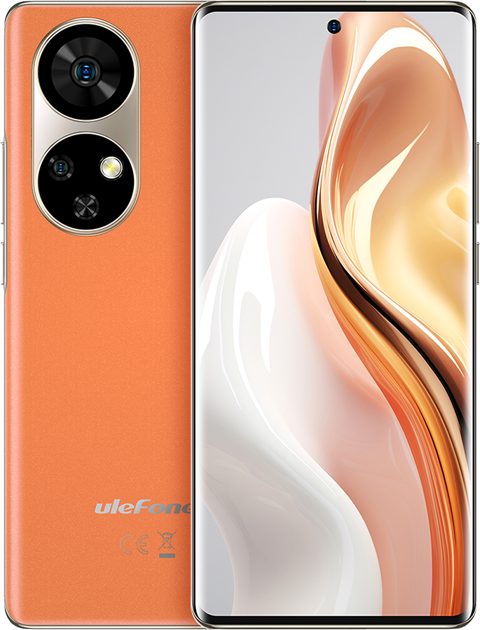
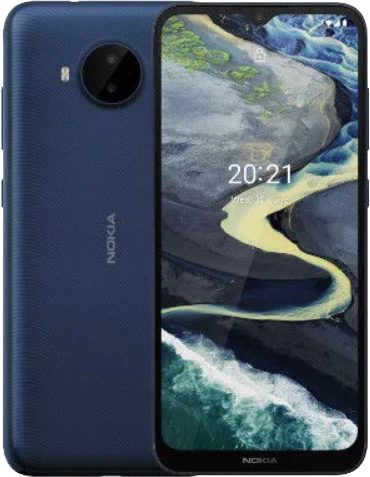
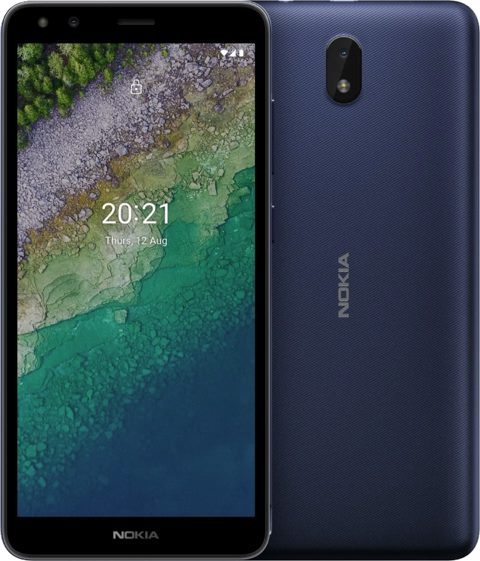
Ulefone Note 17 Pro vs. Nokia C20 Plus vs. Nokia C01 Plus
Fazit
Ulefone Note 17 Pro ist für die meisten deutlich besser
Gesamtwertung
- Ulefone Note 17 Pro 33
- Nokia C20 Plus 5
- Nokia C01 Plus 4
Warum Ulefone Note 17 Pro
- Insgesamt 3.4× schneller Geschätzt
- OLED-Display (statt LCD)
- Robusteres Displayglas (Schutzglas vs. kein Markenglas)
- NFC zum kontaktlosen Bezahlen
Warum Nokia C20 Plus
- 1 Std. 7 Min. längere Akkulaufzeit Geschätzt
Warum Nokia C01 Plus
Hier kein klarer Vorteil
Ulefone Note 17 Pro ist zum Spielen deutlich besser
Gesamtwertung
- Ulefone Note 17 Pro 31
- Nokia C20 Plus 6
- Nokia C01 Plus 4
Warum Ulefone Note 17 Pro
- Insgesamt 3.4× schneller Geschätzt
- OLED-Display (statt LCD)
- Mehr Arbeitsspeicher: 12 GB vs. 3 GB
- Schärferes Display (388 ppi vs. 295 ppi)
Warum Nokia C20 Plus
- 1 Std. 7 Min. längere Akkulaufzeit Geschätzt
Warum Nokia C01 Plus
Hier kein klarer Vorteil
Ulefone Note 17 Pro ist für Fotos und Videos deutlich besser
Gesamtwertung
- Ulefone Note 17 Pro 39
- Nokia C20 Plus 3
- Nokia C01 Plus 3
Warum Ulefone Note 17 Pro
- Videoaufnahme in 1440p 30fps (statt 720p 30fps)
- Schärfere Selfie-Kamera (32 MP vs. 5 MP)
- Höher auflösende Hauptkamera (108 MP vs. 8 MP)
- OLED-Display (statt LCD)
Warum Nokia C20 Plus
- 1 Std. 7 Min. längere Akkulaufzeit Geschätzt
Warum Nokia C01 Plus
Hier kein klarer Vorteil
Ulefone Note 17 Pro ist bei der Akkulaufzeit deutlich besser
Gesamtwertung
- Ulefone Note 17 Pro 26
- Nokia C20 Plus 6
- Nokia C01 Plus 4
Warum Ulefone Note 17 Pro
- Insgesamt 3.4× schneller Geschätzt
- OLED-Display (statt LCD)
- Robusteres Displayglas (Schutzglas vs. kein Markenglas)
- NFC zum kontaktlosen Bezahlen
Warum Nokia C20 Plus
- 1 Std. 7 Min. längere Akkulaufzeit Geschätzt
Warum Nokia C01 Plus
Hier kein klarer Vorteil
Nokia C20 Plus kam vor mehr als drei Jahren auf den Markt und hat deshalb keine Preis-Leistungs-Wertung
Gesamtwertung
- Ulefone Note 17 Pro 4
- Nokia C20 Plus —
- Nokia C01 Plus —
Warum Ulefone Note 17 Pro
- Insgesamt 3.4× schneller Geschätzt
- OLED-Display (statt LCD)
- Robusteres Displayglas (Schutzglas vs. kein Markenglas)
- NFC zum kontaktlosen Bezahlen
Warum Nokia C20 Plus
- 1 Std. 7 Min. längere Akkulaufzeit Geschätzt
Warum Nokia C01 Plus
Hier kein klarer Vorteil
Nokia C20 Plus kam 2021 auf den Markt, Ulefone Note 17 Pro 2024; das ältere Handy bekommt eventuell weniger Software-Updates.
Bewertung nach Kategorie
- Ulefone Note 17 Pro
- Nokia C20 Plus
- Nokia C01 Plus
Leistung
- Ulefone Note 17 Pro 30
- Nokia C20 Plus 3
- Nokia C01 Plus 1
Ulefone Note 17 Pro: Typisch für den ChipsatzNokia C20 Plus: GeschätztNokia C01 Plus: GeschätztDisplay
- Ulefone Note 17 Pro 44
- Nokia C20 Plus 10
- Nokia C01 Plus 11
Kamera
- Ulefone Note 17 Pro 45
- Nokia C20 Plus 1
- Nokia C01 Plus 1
Akku
- Ulefone Note 17 Pro 19
- Nokia C20 Plus 7
- Nokia C01 Plus 3
Ulefone Note 17 Pro: Im Labor getestetNokia C20 Plus: GeschätztNokia C01 Plus: GeschätztVerarbeitung und Robustheit
- Ulefone Note 17 Pro 28
- Nokia C20 Plus 4
- Nokia C01 Plus 9
Konnektivität und Ausstattung
- Ulefone Note 17 Pro 24
- Nokia C20 Plus 1
- Nokia C01 Plus 1
Größte Unterschiede
Alle technischen Daten ansehenGröße und Gewicht
- Ulefone Note 17 Pro
- Nokia C20 Plus
- Nokia C01 Plus
Alle technischen Daten
Allgemeines
Design
Rahmen: Kunststoff
Display
Multitouch-Display
Multitouch-Display
Multitouch-Display
Hardware
6x 2.0 GHz – Cortex-A55
16GB 2GB RAM
32GB 1GB RAM
32GB 2GB RAM
Benchmarks
Software
Hauptkamera
Panorama
Serienbildmodus
Digitalzoom
Belichtungskorrektur
Gesichtserkennung
Hoher Dynamikbereich (HDR)
ISO-Einstellungen
Zum Fokussieren tippen
1080p @ 30 fps
Frontkamera
Akku
Netzwerk
Dual-SIM (Nano-SIM + Nano-SIM)
Konnektivität
Multimedia
Funktionen
Kompass
Gyroskop
Optischer Fingerabdrucksensor unter dem Display
Näherungssensor
Näherungssensor
Näherungssensor
Strahlung (SAR)
EU-Energielabel
Diese Handys stimmen in allen hier aufgeführten Daten überein.
Mit anderen Handys vergleichen



So entstehen die Bewertungen
Jede Kategoriewertung zeigt, wo ein Handy unter den Modellen der letzten zwei Jahre steht: 80 heißt, es schlägt 80 % davon. Mit neuen Handys verschieben sich die Werte.
Benchmarks, Akku und Helligkeit stammen aus Labortests, wenn das Handy getestet wurde. Sonst nutzen die Wertungen typische Ergebnisse des Chipsatzes oder eine Schätzung aus den Daten und weisen darauf hin.
Die Kamerawertung bewertet die Hardware (Sensorgröße, Lichtstärke, Stabilisierung, Zoom und Video), nicht die Fotos selbst.
Kleine Unterschiede, die niemand merkt, etwa 120 Hz gegen 144 Hz, zählen nie als Vorteil. Größe und Gewicht werden gezeigt, aber nie bewertet, denn größer ist Geschmackssache.
Die Preis-Leistungs-Wertung vergleicht die Gesamtwertung eines Smartphones mit dem, was Geräte zum gleichen Preis üblicherweise erreichen. Geräte, die vor mehr als drei Jahren erschienen sind, erhalten keine Wertung, weil ihre angegebenen Preise meist Gebraucht- oder Abverkaufspreise sind.