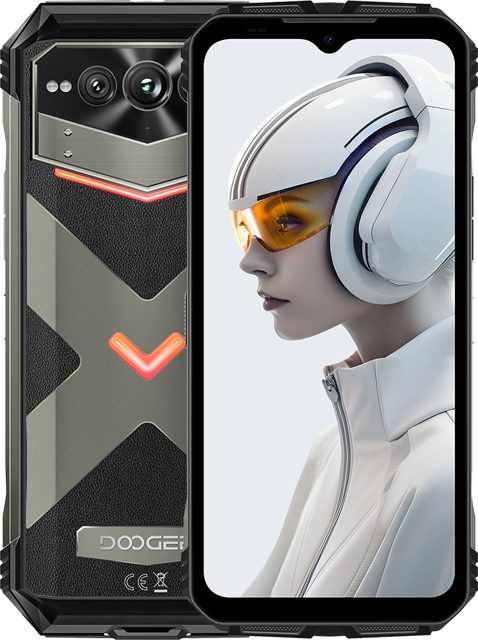
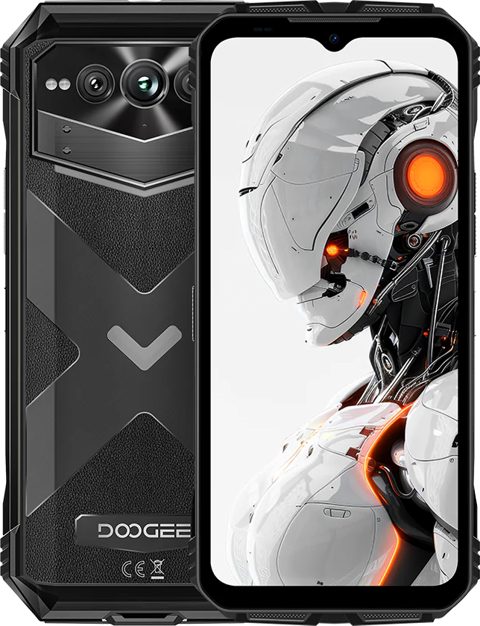
Doogee V Max Plus vs OnePlus 7 vs Doogee V Max Pro

Verdict
Doogee V Max Plus and Doogee V Max Pro are evenly matched for most people
Overall score
- Doogee V Max Plus 60
- OnePlus 7 40
- Doogee V Max Pro 60
Why pick Doogee V Max Plus
- Sharper selfie camera (32 MP vs 16 MP)
Why pick OnePlus 7
- Optical stabilization on the main camera
- OLED screen (vs LCD)
- Better HDR video: HDR10 vs no HDR
- 4K 60fps video recording (vs 4K 30fps)
Why pick Doogee V Max Pro
- 17% cheaper
Doogee V Max Plus and Doogee V Max Pro are evenly matched for gaming
Overall score
- Doogee V Max Plus 55
- OnePlus 7 38
- Doogee V Max Pro 55
Why pick Doogee V Max Plus
No clear advantage here
Why pick OnePlus 7
- OLED screen (vs LCD)
- Better HDR video: HDR10 vs no HDR
- 20% faster at multi-core work Typical for its chipset
- Faster USB-C 3 port (vs USB-C)
Why pick Doogee V Max Pro
- 17% cheaper
Doogee V Max Plus and Doogee V Max Pro are evenly matched for photos and video
Overall score
- Doogee V Max Plus 62
- OnePlus 7 51
- Doogee V Max Pro 60
Why pick Doogee V Max Plus
- Sharper selfie camera (32 MP vs 16 MP)
Why pick OnePlus 7
- Optical stabilization on the main camera
- OLED screen (vs LCD)
- Better HDR video: HDR10 vs no HDR
- 4K 60fps video recording (vs 4K 30fps)
Why pick Doogee V Max Pro
- 17% cheaper
Doogee V Max Plus and Doogee V Max Pro are evenly matched for battery life
Overall score
- Doogee V Max Plus 63
- OnePlus 7 25
- Doogee V Max Pro 63
Why pick Doogee V Max Plus
- Sharper selfie camera (32 MP vs 16 MP)
Why pick OnePlus 7
- Optical stabilization on the main camera
- OLED screen (vs LCD)
- Better HDR video: HDR10 vs no HDR
- Faster USB-C 3 port (vs USB-C)
Why pick Doogee V Max Pro
- 17% cheaper
Doogee V Max Pro is much better for the money
Overall score
- Doogee V Max Plus 51
- OnePlus 7 —
- Doogee V Max Pro 68
Why pick Doogee V Max Plus
- Sharper selfie camera (32 MP vs 16 MP)
Why pick OnePlus 7
- Optical stabilization on the main camera
- OLED screen (vs LCD)
- Better HDR video: HDR10 vs no HDR
- 4K 60fps video recording (vs 4K 30fps)
Why pick Doogee V Max Pro
- 17% cheaper
OnePlus 7 launched in 2019 and Doogee V Max Pro in 2024, so the older phone may get fewer software updates.
Scores by category
- Doogee V Max Plus
- OnePlus 7
- Doogee V Max Pro
Performance
- Doogee V Max Plus 48
- OnePlus 7 46
- Doogee V Max Pro 48
Doogee V Max Plus: Typical for its chipsetOnePlus 7: EstimatedDoogee V Max Pro: Typical for its chipsetDisplay
- Doogee V Max Plus 49
- OnePlus 7 51
- Doogee V Max Pro 49
OnePlus 7: Lab testedCamera
- Doogee V Max Plus 64
- OnePlus 7 63
- Doogee V Max Pro 61
Battery
- Doogee V Max Plus 65
- OnePlus 7 6
- Doogee V Max Pro 65
Lab tested
Build and durability
- Doogee V Max Plus 84
- OnePlus 7 33
- Doogee V Max Pro 84
Connectivity and features
- Doogee V Max Plus 70
- OnePlus 7 33
- Doogee V Max Pro 70
Biggest differences
See all specsSize and weight
- Doogee V Max Plus
- OnePlus 7
- Doogee V Max Pro
Full specs
General
Design
Frame: Aluminum
Front: Gorilla Glass 6
Display
Multi-touch display
HDR10
Multi-touch display
Multi-touch display
Hardware
6x 2.0 GHz – Cortex-A55
3x 2.42 GHz – Cortex-A76
4x 1.8 GHz – Cortex-A55
6x 2.0 GHz – Cortex-A55
256GB 8GB RAM
256GB 12GB RAM
Benchmarks
Software
Main camera
PDAF
Panorama
Continuous shooting mode
Digital Zoom
Exposure Compensation
Face detection
High Dynamic Range (HDR)
ISO Settings
Panorama
Touch to focus
Panorama
1080p @ 30 fps
1080p @ 30/60/240 fps
720p @ 480 fps
1080p @ 30 fps
Front camera
1080p @ 30/60 fps
1080p @ 30 fps
Battery
Network
Connectivity
USB On-The-Go
USB On-The-Go
USB On-The-Go
Multimedia
Features
Compass
Gyroscope
Proximity sensor
Side-mounted Fingerprint Sensor
Compass / Magnetometer
Fingerprint Sensor
Gyroscope
Proximity sensor
Compass
Gyroscope
Proximity sensor
Side-mounted Fingerprint Sensor
Lab tests
EU energy label
These phones share every spec listed here.
Compare with other phones


How scores work
Each category score shows where a phone stands among phones launched in the last two years: 80 means it beats 80% of them. Scores move as new phones arrive.
Benchmarks, battery and brightness come from lab tests when the phone was tested. Otherwise the scores use results typical for its chipset, or an estimate from its specifications, and say so.
The camera score rates the hardware (sensor size, lens brightness, stabilization, zoom and video), not the photos themselves.
Small differences people would not notice, such as 120 Hz against 144 Hz, never count as a win. Size and weight are shown but never scored, because bigger is a preference.
Value compares a phone's overall score with what phones at the same price usually score. Phones launched more than three years ago get no value score, because their listed prices are usually used or clearance prices.