HTC Wildfire E2 vs Micromax In note 1
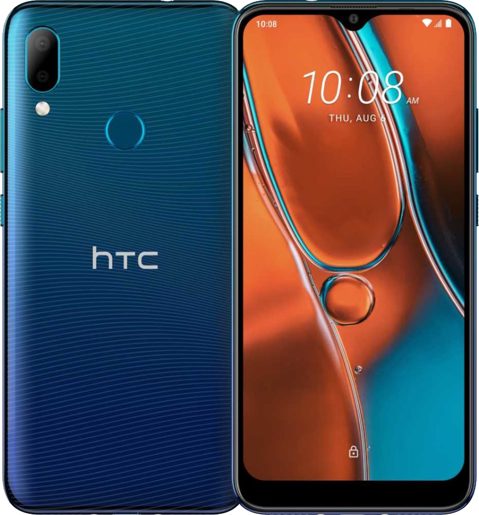
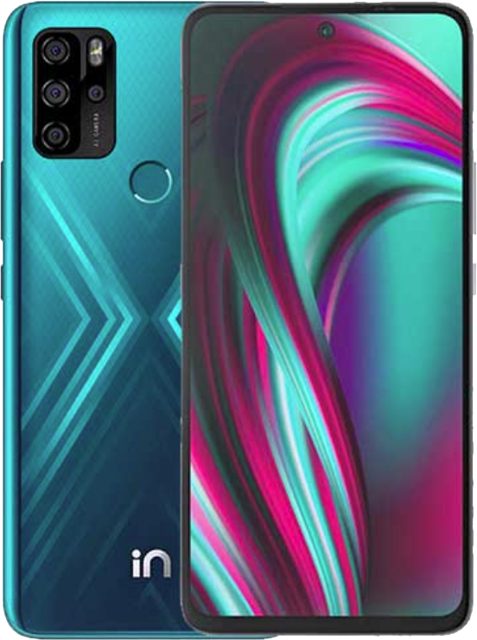
Verdict
Micromax In note 1 is clearly better for most people
Overall score
10 HTC Wildfire E2 22 Micromax In note 1
Why pick HTC Wildfire E2
- 23% cheaper
Why pick Micromax In note 1
- 2 h 53 min longer battery life Estimated
- Ultra-wide camera
- Sharper screen (395 ppi vs 276 ppi)
- Faster charging: 18 W vs 10 W
Micromax In note 1 and HTC Wildfire E2 are evenly matched for gaming
Overall score
11 HTC Wildfire E2 13 Micromax In note 1
Why pick HTC Wildfire E2
- 23% cheaper
Why pick Micromax In note 1
- 2 h 53 min longer battery life Estimated
- Sharper screen (395 ppi vs 276 ppi)
- 16% faster overall Estimated
- Faster charging: 18 W vs 10 W
Micromax In note 1 is much better for photos and video
Overall score
11 HTC Wildfire E2 35 Micromax In note 1
Why pick HTC Wildfire E2
- 23% cheaper
Why pick Micromax In note 1
- Ultra-wide camera
- Brighter main camera lens (f/1.8 vs f/2.2)
- 2 h 53 min longer battery life Estimated
- Sharper screen (395 ppi vs 276 ppi)
Micromax In note 1 is clearly better for battery life
Overall score
7 HTC Wildfire E2 19 Micromax In note 1
Why pick HTC Wildfire E2
- 23% cheaper
Why pick Micromax In note 1
- 2 h 53 min longer battery life Estimated
- Faster charging: 18 W vs 10 W
- Ultra-wide camera
- Sharper screen (395 ppi vs 276 ppi)
HTC Wildfire E2 launched more than three years ago, so it has no value-for-money score
Overall score
— HTC Wildfire E2 — Micromax In note 1
Why pick HTC Wildfire E2
- 23% cheaper
Why pick Micromax In note 1
- 2 h 53 min longer battery life Estimated
- Ultra-wide camera
- Sharper screen (395 ppi vs 276 ppi)
- Faster charging: 18 W vs 10 W
Scores by category
- HTC Wildfire E2
- Micromax In note 1
Performance
14 HTC Wildfire E2 13 Micromax In note 1EstimatedTypical for its chipsetDisplay
10 HTC Wildfire E2 10 Micromax In note 1Camera
13 HTC Wildfire E2 54 Micromax In note 1Battery
4 HTC Wildfire E2 19 Micromax In note 1Estimated
Build and durability
9 HTC Wildfire E2 4 Micromax In note 1Connectivity and features
11 HTC Wildfire E2 11 Micromax In note 1
Biggest differences
See all specs Spec HTC Wildfire E2Micromax In note 1 Ahead by
Battery life (active use) 11 h 33 minEstimatedBetter: 14 h 26 minEstimated +2 h 53 min
Ultra-wide camera NoBetter: Yes
Pixel density 276 ppiBetter: 395 ppi +43%
Wired charging 10 WBetter: 18 W +80%
Main camera aperture f/2.2Better: f/1.8
Overall performance (AnTuTu 10) 219,805EstimatedBetter: 254,644Typical for its chipset
Size and weight
- HTC Wildfire E2
- Micromax In note 1
Full specs
General
Specs HTC Wildfire E2Micromax In note 1
Announced
Thursday, 06 August 2020
Tuesday, 24 November 2020
Released
Thursday, 06 August 2020
Tuesday, 24 November 2020
Status
Discontinued
Discontinued
Design
Specs HTC Wildfire E2Micromax In note 1
Height
158.4 mm (6.24 inch)
165.2 mm (6.50 inch)
Width
75.9 mm (2.99 inch)
77 mm (3.03 inch)
Thickness
9 mm (0.35 inch)
9 mm (0.35 inch)
Weight
173 g (6.10 oz)
196 g (6.91 oz)
Build materials
Back: Plastic
Frame: Plastic
Front: Glass
—
Colors
Blue
Green, White
Display
Specs HTC Wildfire E2Micromax In note 1
Display type
IPS LCD
IPS LCD
Display size
6.22 inch
6.67 inch
Resolution
720 × 1560 pixels
1080 × 2400 pixels
Aspect ratio
19.5:9
20:9
Pixel density
276 ppi
Better:
395 ppi
Screen-to-body ratio
≈ 79%
≈ 84.4%
Peak brightness
—
450 cd/m²
Screen protection
—
Oleophobic coating
Touchscreen
Yes
Yes
Bezel-less display
Yes
Yes
Display features
Capacitive Touchscreen
Multi-touch display
Capacitive Touchscreen
Multi-touch display
Hardware
Specs HTC Wildfire E2Micromax In note 1
Chipset
MediaTek Helio P22
MediaTek Helio G85
CPU cores
8
8
CPU technology
12 nm
12 nm
CPU max speed
2.0 GHz
2.0 GHz
CPU architecture
64-bit
64-bit
Microarchitecture
4x 2.0 GHz – Cortex-A53
4x 1.5 GHz – Cortex-A53
2x 2.0 GHz – Cortex-A75
6x 1.8 GHz – Cortex-A55
Memory type
LPDDR4X
LPDDR4X
GPU
IMG PowerVR GE8320
ARM Mali-G52 MC2
RAM
4GB
4GB
Storage
64GB
64GB, 128GB
Storage type
eMMC 5.1
eMMC 5.1
Variants
64GB 4GB RAM
64GB 4GB RAM
128GB 4GB RAM
Expandable storage
Yes
Yes
Card slots
microSDXC
microSDXC
Benchmarks
Specs HTC Wildfire E2Micromax In note 1
Kalvo speed score
—
2
AnTuTu 10
—
254,644 Typical for MediaTek Helio G85 · Rank 1,468 of 1,537
AnTuTu 9
—
182,064 Typical for MediaTek Helio G85
Geekbench 6 multi-core
—
1,284 Typical for MediaTek Helio G85
Geekbench 5 multi-core
—
1,282 Typical for MediaTek Helio G85
Software
Specs HTC Wildfire E2Micromax In note 1
Operating system
Android 10 (Quince Tart)
Android 10 (Quince Tart)
Main camera
Specs HTC Wildfire E2Micromax In note 1
Camera support
Yes
Yes
Cameras
Dual camera
Quad camera
Wide angle
16 MP, ƒ/2.2
PDAF
48 MP, ƒ/1.8, 26 mm, 0.8 μm, 1/2.0" Sensor size
PDAF
Ultra-wide angle
—
5 MP, ƒ/2.2, 115°, 1.12 μm, 1/5.0" Sensor size
Macro
—
2 MP
Auxiliary lens
0.08 MP
0.08 MP
Flash support
Yes
Yes
Flash type
Dual-LED dual-tone flash
LED flash
Features
Auto Flash
Continuous shooting mode
Digital Zoom
Exposure Compensation
Face detection
High Dynamic Range (HDR)
ISO Settings
Panorama
Touch to focus
Auto Flash
Continuous shooting mode
Digital Zoom
Exposure Compensation
Face detection
High Dynamic Range (HDR)
ISO Settings
Touch to focus
Video support
Yes
Yes
Video resolution
1080p @ 30 fps
1080p @ 30 fps
Front camera
Specs HTC Wildfire E2Micromax In note 1
Camera support
Yes
Yes
Cameras
Single camera
Single camera
Wide angle
8 MP, ƒ/2.2
16 MP, ƒ/2.0, 27 mm, 1.0 μm, 1/3.06" Sensor size
Video support
Yes
Yes
Video resolution
1080p @ 30 fps
1080p @ 30 fps
Battery
Specs HTC Wildfire E2Micromax In note 1
Type
Li-Poly
Li-Poly
Capacity
4000 mAh
5000 mAh
Wired charging speed
10 W
Better:
18 W
Fast charging support
—
Yes
Network
Specs HTC Wildfire E2Micromax In note 1
SIM cards
Dual SIM (Nano-SIM + Nano-SIM)
Dual SIM (Nano-SIM + Nano-SIM)
VoLTE support
Yes
Yes
Data speed
LTE, HSPA
LTE (2CA) Cat7 300/150 Mbps, HSPA 42.2/11.5 Mbps
Connectivity
Specs HTC Wildfire E2Micromax In note 1
Wi-Fi support
Yes ( Wi-Fi 5 )
Yes ( Wi-Fi 5 )
Wi-Fi standards
802.11/a/b/g/n/ac
802.11/a/b/g/n/ac
Wi-Fi features
Dual-band, Mobile Hotspot, Wi-Fi Direct
Dual-band, Mobile Hotspot, Wi-Fi Direct
Bluetooth
Yes, v5.0
Yes, v5.0
USB ports
USB Type-C 2.0
USB On-The-Go
USB Type-C 2.0
USB On-The-Go
USB connectivity
USB charging, USB Mass Storage device (UMS)
USB charging, USB Mass Storage device (UMS)
GPS support
Yes
Yes
GPS features
GPS, BDS, GALILEO, GLONASS
GPS, BDS, GALILEO, GLONASS
NFC support
No
No
Multimedia
Specs HTC Wildfire E2Micromax In note 1
Loudspeaker
Yes
Yes
Headphone jack
Yes
Yes
FM radio
Yes
Yes
Features
Specs HTC Wildfire E2Micromax In note 1
Sensors
Accelerometer
Compass / Magnetometer
Fingerprint Sensor
Proximity sensor
Accelerometer
Compass / Magnetometer
Fingerprint Sensor
Gyroscope
Proximity sensor
Radiation (SAR)
Specs HTC Wildfire E2Micromax In note 1
Body SAR (US)
—
0.96 W/kg Limit 1.6 W/kg
These phones share every spec listed here.
Compare with other phones



How scores work
Each category score shows where a phone stands among phones launched in the last two years: 80 means it beats 80% of them. Scores move as new phones arrive.
Benchmarks, battery and brightness come from lab tests when the phone was tested. Otherwise the scores use results typical for its chipset, or an estimate from its specifications, and say so.
The camera score rates the hardware (sensor size, lens brightness, stabilization, zoom and video), not the photos themselves.
Small differences people would not notice, such as 120 Hz against 144 Hz, never count as a win. Size and weight are shown but never scored, because bigger is a preference.
Value compares a phone's overall score with what phones at the same price usually score. Phones launched more than three years ago get no value score, because their listed prices are usually used or clearance prices.