Oscal Pad 70 vs Doogee U10 Pro
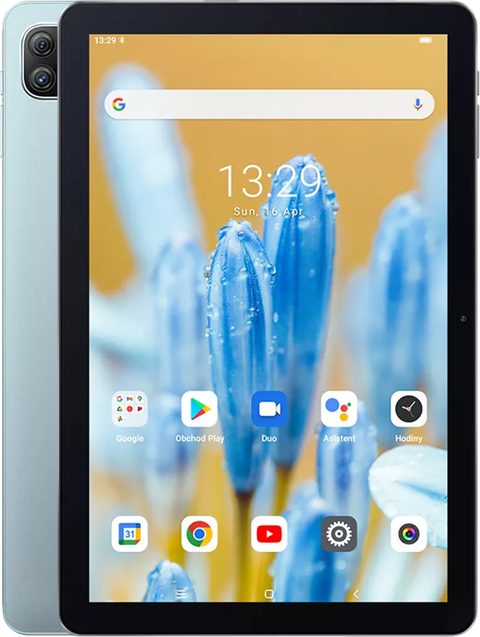
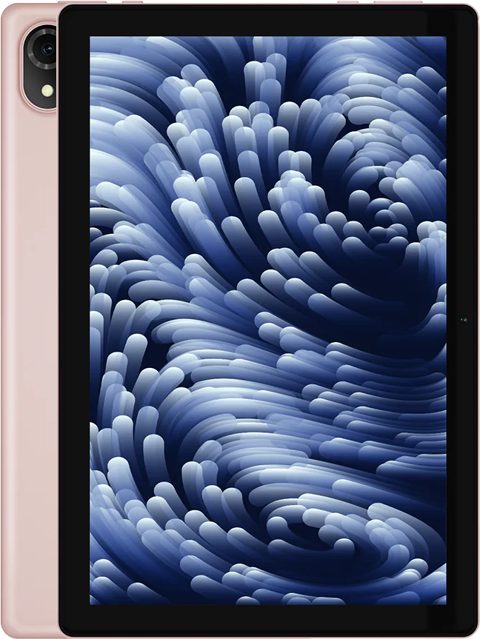
Doogee Doogee U10 Pro
Verdict
Oscal Pad 70 is clearly better for most people
Overall score
25 Oscal Pad 70 12 Doogee U10 Pro
Why pick Oscal Pad 70
- 3 h 20 min longer battery life Estimated
- 1080p 30fps video recording (vs 720p 30fps)
- Sharper selfie camera (8 MP vs 5 MP)
- Higher-resolution main camera (13 MP vs 8 MP)
Why pick Doogee U10 Pro
- More memory: 8 GB vs 4 GB
Not enough data to name a winner for gaming
Overall score
— Oscal Pad 70 14 Doogee U10 Pro
Why pick Oscal Pad 70
- 3 h 20 min longer battery life Estimated
Why pick Doogee U10 Pro
- More memory: 8 GB vs 4 GB
Oscal Pad 70 is much better for photos and video
Overall score
32 Oscal Pad 70 8 Doogee U10 Pro
Why pick Oscal Pad 70
- 1080p 30fps video recording (vs 720p 30fps)
- 3 h 20 min longer battery life Estimated
- Sharper selfie camera (8 MP vs 5 MP)
- Higher-resolution main camera (13 MP vs 8 MP)
Why pick Doogee U10 Pro
- More memory: 8 GB vs 4 GB
Oscal Pad 70 is clearly better for battery life
Overall score
16 Oscal Pad 70 9 Doogee U10 Pro
Why pick Oscal Pad 70
- 3 h 20 min longer battery life Estimated
- 1080p 30fps video recording (vs 720p 30fps)
- Sharper selfie camera (8 MP vs 5 MP)
- Higher-resolution main camera (13 MP vs 8 MP)
Why pick Doogee U10 Pro
- More memory: 8 GB vs 4 GB
Oscal Pad 70 launched more than three years ago, so it has no value-for-money score
Overall score
— Oscal Pad 70 — Doogee U10 Pro
Why pick Oscal Pad 70
- 3 h 20 min longer battery life Estimated
- 1080p 30fps video recording (vs 720p 30fps)
- Sharper selfie camera (8 MP vs 5 MP)
- Higher-resolution main camera (13 MP vs 8 MP)
Why pick Doogee U10 Pro
- More memory: 8 GB vs 4 GB
Scores by category
Performance
— Oscal Pad 70 12 Doogee U10 ProEstimatedDisplay
18 Oscal Pad 70 18 Doogee U10 ProCamera
43 Oscal Pad 70 4 Doogee U10 ProBattery
8 Oscal Pad 70 4 Doogee U10 ProEstimated
Build and durability
10 Oscal Pad 70 10 Doogee U10 ProConnectivity and features
49 Oscal Pad 70 49 Doogee U10 Pro
Biggest differences
See all specs Spec Oscal Pad 70Doogee U10 Pro Ahead by
Battery life (active use) Better: 17 h 48 minEstimated14 h 27 minEstimated +3 h 20 min
RAM 4 GBBetter: 8 GB 2×
Best video mode Better: 1080p 30fps720p 30fps
Selfie camera Better: 8 MP5 MP +60%
Size and weight
- Oscal Pad 70
- Doogee U10 Pro
Full specs
General
Specs Oscal Pad 70Doogee U10 Pro
Announced
Saturday, 01 July 2023
Friday, 01 September 2023
Released
Saturday, 01 July 2023
Friday, 01 September 2023
Status
Available
Available
Design
Specs Oscal Pad 70Doogee U10 Pro
Height
246.5 mm (9.70 inch)
245.3 mm (9.66 inch)
Width
163 mm (6.42 inch)
163.3 mm (6.43 inch)
Thickness
9.9 mm (0.39 inch)
9.9 mm (0.39 inch)
Weight
520 g (18.34 oz)
478 g (16.86 oz)
Colors
Meteorite Grey, Misty Blue
Black, Blue, Pink
Design features
—
Stylus Support
Display
Specs Oscal Pad 70Doogee U10 Pro
Display type
IPS LCD
IPS LCD
Display size
10.1 inch
10.1 inch
Resolution
800 × 1280 pixels
800 × 1280 pixels
Aspect ratio
16:10
16:10
Pixel density
149 ppi
149 ppi
Screen-to-body ratio
≈ 73.6%
≈ 73.8%
Touchscreen
Yes
Yes
Bezel-less display
No
No
Display features
Capacitive Touchscreen
Multi-touch display
Capacitive Touchscreen
Multi-touch display
Hardware
Specs Oscal Pad 70Doogee U10 Pro
Chipset
—
Rockchip RK3562
CPU cores
—
4
CPU technology
—
22 nm
CPU max speed
—
2.0 GHz
CPU architecture
—
64-bit
Microarchitecture
—
4x 2.0 GHz – Cortex-A53
Memory type
—
LPDDR4X
GPU
—
ARM Mali-G52 2EE MC2
RAM
4GB
Better:
8GB
Storage
64GB, 128GB
128GB
Storage type
eMMC 5.1
eMMC 5.1
Variants
64GB 4GB RAM
128GB 4GB RAM
128GB 8GB RAM
Expandable storage
Yes
Yes
Card slots
microSDXC
microSDXC
Software
Specs Oscal Pad 70Doogee U10 Pro
Operating system
Android 12 (Snow Cone)
Android 13 (Tiramisu)
User interface
DokeOS_P 3.0
—
Main camera
Specs Oscal Pad 70Doogee U10 Pro
Camera support
Yes
Yes
Cameras
Single camera
Single camera
Wide angle
13 MP
8 MP
Flash support
Yes
Yes
Flash type
LED flash
LED flash
Video support
Yes
Yes
Video resolution
1080p @ 30 fps
720p @ 30 fps
Front camera
Specs Oscal Pad 70Doogee U10 Pro
Camera support
Yes
Yes
Cameras
Single camera
Single camera
Wide angle
8 MP
5 MP
Video support
Yes
Yes
Video resolution
—
720p @ 30 fps
Battery
Specs Oscal Pad 70Doogee U10 Pro
Capacity
6580 mAh
5060 mAh
Wired charging speed
10 W
10 W
Network
Specs Oscal Pad 70Doogee U10 Pro
Cellular connectivity
No
No
Connectivity
Specs Oscal Pad 70Doogee U10 Pro
Wi-Fi support
Yes ( Wi-Fi 6 )
Yes ( Wi-Fi 6 )
Wi-Fi standards
802.11/a/b/g/n/ac/ax
802.11/a/b/g/n/ac/ax
Wi-Fi features
Dual-band
Dual-band
Bluetooth
Yes, v5.0
Yes, v5.0
USB ports
USB Type-C 2.0
USB On-The-Go
USB Type-C 2.0
USB On-The-Go
USB connectivity
USB charging, USB Mass Storage device (UMS)
USB charging, USB Mass Storage device (UMS)
GPS support
No
No
NFC support
No
No
Multimedia
Specs Oscal Pad 70Doogee U10 Pro
Loudspeaker
Yes
Yes
Headphone jack
Yes
Yes
Audio type
Stereo speakers
Stereo speakers
FM radio
No
No
Features
Specs Oscal Pad 70Doogee U10 Pro
Sensors
Accelerometer
Proximity sensor (Accessories only)
Accelerometer
These phones share every spec listed here.
Compare with other phones






How scores work
Each category score shows where a phone stands among phones launched in the last two years: 80 means it beats 80% of them. Scores move as new phones arrive.
Benchmarks, battery and brightness come from lab tests when the phone was tested. Otherwise the scores use results typical for its chipset, or an estimate from its specifications, and say so.
The camera score rates the hardware (sensor size, lens brightness, stabilization, zoom and video), not the photos themselves.
Small differences people would not notice, such as 120 Hz against 144 Hz, never count as a win. Size and weight are shown but never scored, because bigger is a preference.
Value compares a phone's overall score with what phones at the same price usually score. Phones launched more than three years ago get no value score, because their listed prices are usually used or clearance prices.