Xiaomi Pad 9 vs Doogee Tab E3
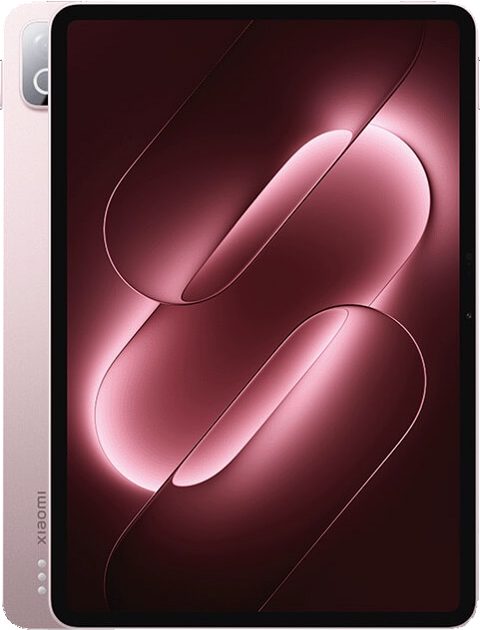
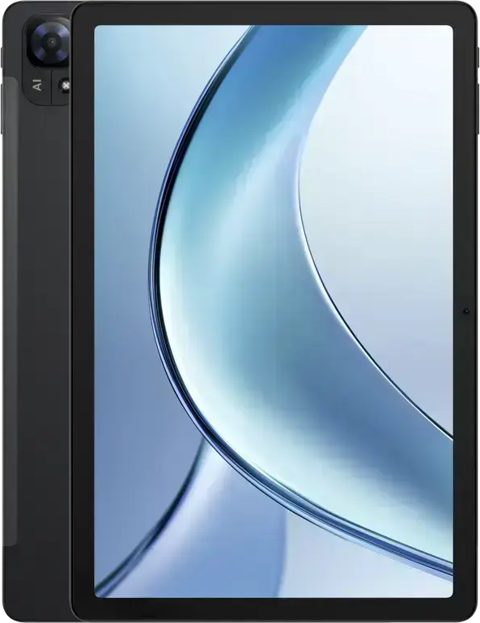
Verdict
Xiaomi Pad 9 is much better for most people
Overall score
71 Xiaomi Pad 9 43 Doogee Tab E3
Why pick Xiaomi Pad 9
- 4.6× faster overall Typical for its chipset
- 3.4× faster at multi-core work Typical for its chipset
- Better HDR video: Dolby Vision vs no HDR
- 11.8× faster graphics for games Typical for its chipset
Why pick Doogee Tab E3
- 44% cheaper
- 3.5 mm headphone jack
Xiaomi Pad 9 is much better for gaming
Overall score
73 Xiaomi Pad 9 41 Doogee Tab E3
Why pick Xiaomi Pad 9
- 4.6× faster overall Typical for its chipset
- 3.4× faster at multi-core work Typical for its chipset
- 11.8× faster graphics for games Typical for its chipset
- Better HDR video: Dolby Vision vs no HDR
Why pick Doogee Tab E3
- 44% cheaper
- 3.5 mm headphone jack
Xiaomi Pad 9 is much better for photos and video
Overall score
72 Xiaomi Pad 9 50 Doogee Tab E3
Why pick Xiaomi Pad 9
- 4.6× faster overall Typical for its chipset
- Better HDR video: Dolby Vision vs no HDR
- 3.4× faster at multi-core work Typical for its chipset
- Smoother 144 Hz screen (vs 90 Hz)
Why pick Doogee Tab E3
- 44% cheaper
Xiaomi Pad 9 is much better for battery life
Overall score
66 Xiaomi Pad 9 38 Doogee Tab E3
Why pick Xiaomi Pad 9
- Faster charging: 45 W vs 18 W
- 4.6× faster overall Typical for its chipset
- 3.4× faster at multi-core work Typical for its chipset
- Better HDR video: Dolby Vision vs no HDR
Why pick Doogee Tab E3
- 44% cheaper
- 3.5 mm headphone jack
Xiaomi Pad 9 is much better for the money
Overall score
84 Xiaomi Pad 9 52 Doogee Tab E3
Why pick Xiaomi Pad 9
- 4.6× faster overall Typical for its chipset
- 3.4× faster at multi-core work Typical for its chipset
- Better HDR video: Dolby Vision vs no HDR
- 11.8× faster graphics for games Typical for its chipset
Why pick Doogee Tab E3
- 44% cheaper
- 3.5 mm headphone jack
Scores by category
- Xiaomi Pad 9
- Doogee Tab E3
Performance
76 Xiaomi Pad 9 41 Doogee Tab E3Typical for its chipset
Display
82 Xiaomi Pad 9 50 Doogee Tab E3Camera
73 Xiaomi Pad 9 59 Doogee Tab E3Battery
61 Xiaomi Pad 9 34 Doogee Tab E3EstimatedLab testedBuild and durability
54 Xiaomi Pad 9 25 Doogee Tab E3Connectivity and features
68 Xiaomi Pad 9 31 Doogee Tab E3
Biggest differences
See all specs Spec Xiaomi Pad 9Doogee Tab E3 Ahead by
Overall performance (AnTuTu 10) Better: 1,986,859Typical for its chipset436,283Typical for its chipset 4.6×
Multi-core CPU (Geekbench 6) Better: 6,651Typical for its chipset1,957Typical for its chipset 3.4×
HDR video Better: Dolby Visionno HDR
Refresh rate Better: 144 Hz90 Hz +60%
Wired charging Better: 45 W18 W 2.5×
Wi-Fi Better: Wi-Fi 7Wi-Fi 5
Size and weight
- Xiaomi Pad 9
- Doogee Tab E3
Full specs
General
Specs Xiaomi Pad 9Doogee Tab E3
Announced
Wednesday, 23 September 2026
Thursday, 01 May 2025
Released
Wednesday, 23 September 2026
Thursday, 01 May 2025
Status
Available
Available
Design
Specs Xiaomi Pad 9Doogee Tab E3
Height
251.2 mm (9.89 inch)
257.3 mm (10.13 inch)
Width
173.4 mm (6.83 inch)
168.8 mm (6.65 inch)
Thickness
5.8 mm (0.23 inch)
7.5 mm (0.30 inch)
Weight
485 g (17.11 oz)
512 g (18.06 oz)
Build materials
Back: Aluminum
Frame: Aluminum
Front: Glass
—
Colors
Gray, Green, Pink, Silver
Black, Blue, Gray
Design features
Stylus Support
—
Display
Specs Xiaomi Pad 9Doogee Tab E3
Display type
IPS LCD
IPS LCD
Display size
11.2 inch
10.95 inch
Resolution
3200 × 2136 pixels
1200 × 1920 pixels
Refresh rate
Better:
144 Hz
90 Hz
Aspect ratio
3:2
16:10
Pixel density
Better:
344 ppi
207 ppi
Screen-to-body ratio
≈ 85.8%
≈ 80%
Peak brightness
800 cd/m²
—
Touchscreen
Yes
Yes
Bezel-less display
No
No
Display features
68 billion colors
Capacitive Touchscreen
Dolby Vision
HDR10
HDR Vivid
Multi-touch display
Capacitive Touchscreen
Multi-touch display
Hardware
Specs Xiaomi Pad 9Doogee Tab E3
Chipset
Qualcomm Snapdragon 8s Gen 4
MediaTek Helio G100
CPU cores
8
8
CPU technology
4 nm
6 nm
CPU max speed
3.21 GHz
2200 MHz
CPU architecture
64-bit
64-bit
Microarchitecture
1x 3.21 GHz – Cortex-X4
3x 3.01 GHz – Cortex-A720
2x 2.8 GHz – Cortex-A720
2x 2.02 GHz – Cortex-A520
2x 2.2 GHz – Cortex-A76
6x 2.0 GHz – Cortex-A55
Memory type
LPDDR5X
LPDDR4X
GPU
Qualcomm Adreno 825
ARM Mali-G57 MC2
RAM
Better:
8GB, 12GB
8GB
Storage
128GB, 256GB
256GB
Storage type
—
UFS
Variants
128GB 8GB RAM
256GB 8GB RAM
256GB 12GB RAM
256GB 8GB RAM
Expandable storage
No
Yes
Card slots
—
microSDXC
Benchmarks
Specs Xiaomi Pad 9Doogee Tab E3
AnTuTu 10
Better:
1,986,858 Typical for Qualcomm Snapdragon 8s Gen 4
436,283 Typical for MediaTek Helio G100
Geekbench 6 multi-core
Better:
6,651 Typical for Qualcomm Snapdragon 8s Gen 4
1,957 Typical for MediaTek Helio G100
3DMark Wild Life Extreme
Better:
4,532 Typical for Qualcomm Snapdragon 8s Gen 4
384 Typical for MediaTek Helio G100
Software
Specs Xiaomi Pad 9Doogee Tab E3
Operating system
Android 17 (Cinnamon Bun)
Android 15 (Vanilla Ice Cream)
User interface
HyperOS 4
—
Main camera
Specs Xiaomi Pad 9Doogee Tab E3
Camera support
Yes
Yes
Cameras
Single camera
Single camera
Wide angle
13 MP
13 MP, ƒ/2.2
Autofocus (AF)
Flash support
Yes
Yes
Flash type
LED flash
LED flash
Features
Color Spectrum sensor
High Dynamic Range (HDR)
High Dynamic Range (HDR)
Video support
Yes
Yes
Video resolution
2160p @ 30 fps
1080p @ 30/60 fps
1440p @ 30/60 fps
1080p @ 30/60 fps
Front camera
Specs Xiaomi Pad 9Doogee Tab E3
Camera support
Yes
Yes
Cameras
Single camera
Single camera
Wide angle
8 MP
5 MP, ƒ/2.4
Features
High Dynamic Range (HDR)
—
Video support
Yes
Yes
Video resolution
1080p @ 30 fps
1440p @ 30 fps
1080p @ 30/120 fps
Battery
Specs Xiaomi Pad 9Doogee Tab E3
Capacity
9720 mAh
8800 mAh
Wired charging speed
Better:
45 W
18 W
Fast charging support
Yes
—
Features
Reverse wired charging
Reverse wired charging
Network
Specs Xiaomi Pad 9Doogee Tab E3
SIM cards
—
Dual SIM (Nano-SIM + Nano-SIM)
Data speed
—
LTE, HSPA
Cellular connectivity
No
—
Connectivity
Specs Xiaomi Pad 9Doogee Tab E3
Wi-Fi support
Yes ( Wi-Fi 7 )
Yes ( Wi-Fi 5 )
Wi-Fi standards
Better:
802.11/a/b/g/n/ac/ax/be
802.11/a/b/g/n/ac
Wi-Fi features
Dual-band, Wi-Fi Direct
Dual-band
Bluetooth
Yes, v6.0
Yes, v5.0
USB ports
Better:
USB Type-C 3.2
USB On-The-Go
USB Type-C
USB connectivity
USB charging, USB Mass Storage device (UMS)
USB charging, USB Mass Storage device (UMS)
GPS support
No
Yes
GPS features
—
BDS, GALILEO, GLONASS, GPS
NFC support
No
No
Multimedia
Specs Xiaomi Pad 9Doogee Tab E3
Loudspeaker
Yes
Yes
Headphone jack
No
Better:
Yes
Audio type
24-bit/192kHz High-Resolution audio, Dolby Atmos, High-Resolution wireless audio, Quad Speakers, Stereo speakers
Stereo speakers
FM radio
No
Yes
Features
Specs Xiaomi Pad 9Doogee Tab E3
Sensors
Accelerometer
Compass
Gyroscope
Proximity sensor
Side-mounted Fingerprint Sensor
Accelerometer
Compass
Special features
Quick Charge 3+
USB Power Delivery 3.0
—
EU energy label
Specs Xiaomi Pad 9Doogee Tab E3
Energy efficiency class
—
Class F
Battery endurance per charge
—
93 h 8 min
Battery lifespan
—
1,000 charge cycles
Drop resistance class
—
Class E
Drops survived
—
52 drops
Repairability class
—
Class B
These phones share every spec listed here.
Compare with other phones


How scores work
Each category score shows where a phone stands among phones launched in the last two years: 80 means it beats 80% of them. Scores move as new phones arrive.
Benchmarks, battery and brightness come from lab tests when the phone was tested. Otherwise the scores use results typical for its chipset, or an estimate from its specifications, and say so.
The camera score rates the hardware (sensor size, lens brightness, stabilization, zoom and video), not the photos themselves.
Small differences people would not notice, such as 120 Hz against 144 Hz, never count as a win. Size and weight are shown but never scored, because bigger is a preference.
Value compares a phone's overall score with what phones at the same price usually score. Phones launched more than three years ago get no value score, because their listed prices are usually used or clearance prices.